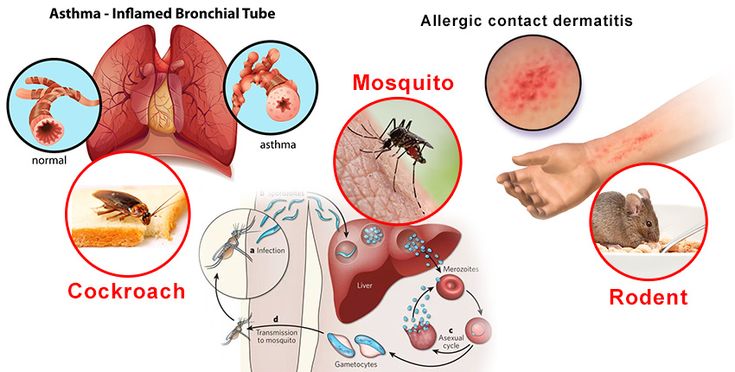
Many household pests are more than just a nuisance—they can trigger allergies and affect your health. Understanding which pests are common allergy culprits and how to prevent them can help maintain a safer, healthier home.
1. Dust Mites
-
Tiny, microscopic pests that live in bedding, upholstery, and carpets.
-
Their droppings and body fragments can trigger sneezing, runny nose, itchy eyes, and asthma attacks.
2. Cockroaches
-
Produce allergens through their saliva, droppings, and shed body parts.
-
Can exacerbate asthma symptoms and cause persistent allergic reactions.
3. Rodents (Mice & Rats)
-
Urine, droppings, and hair can act as allergens.
-
Exposure may lead to sneezing, watery eyes, and asthma flare-ups.
4. Ants and Termites
-
While less common as allergens, their saliva and shed body parts can trigger mild allergic responses in sensitive individuals.
5. Flies
-
House flies and fruit flies can carry bacteria and allergens from contaminated surfaces.
-
Their presence can indirectly worsen allergy symptoms, especially in kitchens and dining areas.
6. Spiders
-
Spider bites are rare, but their hairs and web particles can occasionally cause skin irritation or respiratory allergies in sensitive people.
How to Minimize Allergic Reactions from Pests:
-
Keep your home clean and free from food crumbs.
-
Vacuum and dust regularly, focusing on carpets, upholstery, and bedding.
-
Seal cracks, crevices, and openings where pests may enter.
-
Use pest-proof containers for food storage.
-
Consider professional pest control for persistent infestations.
Summary:
Household pests are not just a nuisance; they can affect your health. Preventing infestations and maintaining a clean, dry, and sealed home are the best ways to reduce allergy risks caused by pests.
7 Comments
Comments are closed.